
The Connection Between Hip and Knee Pain
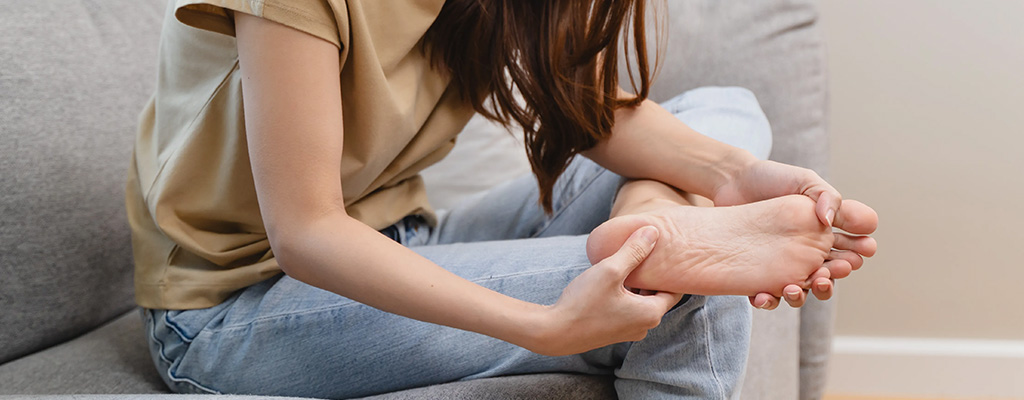
Did you know that for a lot of people, their knee pain is not actually due to a problem with the knee, but one with the hip? At Bolduc Physical/Aquatic Therapy & Sports Medicine, we frequently observe that a problem originating in the hip can be first felt as knee pain and vice versa.
You might wonder how this is possible. The answer lies in what’s known as the kinetic chain, where the hip and knee joints work together. The interconnection means that an imbalance or dysfunction in one joint can lead to compensation and pain in the other. The good news is our therapists can help you figure out the source of your pain and, more importantly, guide you back to health.
To move towards a healthier, active life, we recommend you consult with one of our physical therapists as soon as possible!

Exercise of the Month
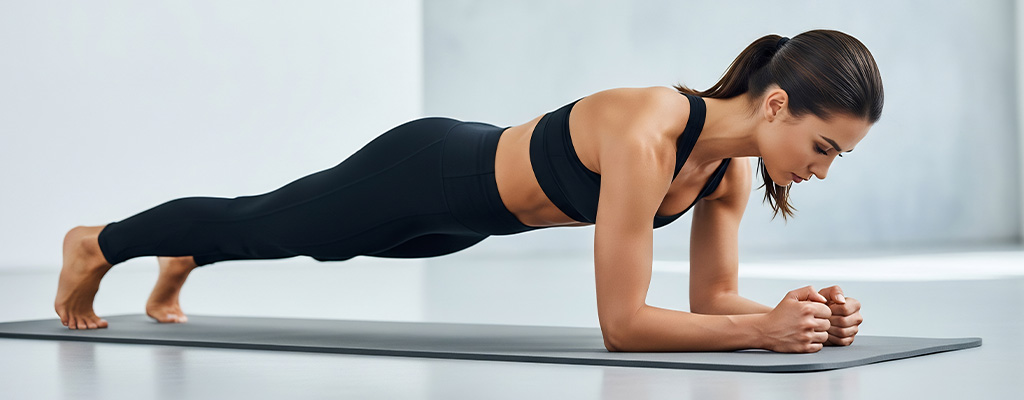
sQUATS
- Stand with your feet shoulder-width apart and arms extended in front of you for balance.
- Slowly bend your knees and lower your hips as if sitting back into a chair, keeping your chest lifted and knees behind your toes.
- Push through your heels to return to standing.
- 3 Sets, 10 Reps.
Our Patients Get Great Results
“If you need PT, we highly recommend Bolduc. PS – they also have an indoor pool for therapy.”
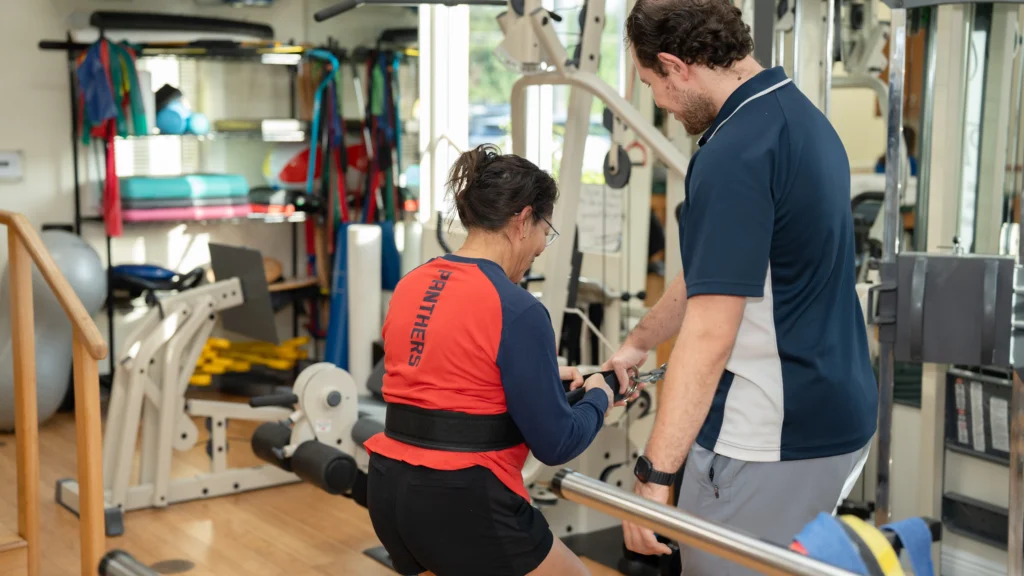
“I’ve been a past patient and am now a current patient at Bolduc in Boynton Beach. My wife is a past patient, having had 2 knee replacements. The environment is casual yet professional, and we both felt welcome and heard. Lindsay and Christina are the therapists that we used, but the other therapists welcome all with a wave or a friendly smile. If you need PT, we highly recommend Bolduc. PS – they also have an indoor pool for therapy.”
– Harvey S.
Your Guide to Recognizing the Signs and Symptoms of Hip and Knee Pain
At Bolduc Physical/Aquatic Therapy & Sports Medicine, we believe in a holistic approach to healing. As musculoskeletal experts, we are trained to pinpoint the root cause of your condition, differentiate between hip and knee pain, and develop a plan that addresses the whole person, not just the symptom.
The Telltale Signs of Hip Pain
- Localized Discomfort and Stiffness: Hip pain generally starts as a localized discomfort in the groin area, often accompanied by stiffness restricting the range of motion. As the severity worsens, this pain can sometimes extend to the thigh and even the knee.
- Morning Stiffness: One of the most commonly reported symptoms is morning stiffness, which typically eases as the day progresses.
- Difficulty in Performing Daily Activities: Individuals with hip pain often find it challenging to bend over to tie shoes or pick up objects from the floor. This pain can intensify during movements like getting up from a seated position or walking uphill.
Classic Indicators of Knee Pain
- Localized Pain and Swelling: A primary indicator of knee issues is localized pain, often accompanied by swelling. This can be especially noticeable after prolonged periods of activity.
- Stiffness and Reduced Range of Motion: Another hallmark of knee pain is stiffness, which often restricts the knee’s range of motion.
- Popping or Crunching Noises: Experiencing popping or crunching noises during knee movement is a sign that shouldn’t be ignored, as these sounds often signify underlying knee issues.
- Difficulty in Bearing Weight: A large number of individuals with knee pain report difficulty bearing weight on the affected knee. This is often described as a feeling of weakness or instability, making activities such as climbing stairs or even simple walking difficult.
While interconnected, the hip and knee are distinct structures with unique roles in our body’s movement and different responsibilities. Understanding these differences is vital in diagnosing and treating pain effectively. This is where the expertise of our physical therapists can help!

Navigating the Path to Recovery with Bolduc Physical/Aquatic Therapy & Sports Medicine
At Bolduc Physical/Aquatic Therapy & Sports Medicine, our physical therapists will conduct a comprehensive evaluation, and distinguish whether you’re dealing with an issue in your hip, knee, or both.
After completing the evaluation, we’ll design a program focusing on the actionable steps you can take to ensure long-term relief and prevention of future injuries, including the following:
- Tailored Therapeutic Exercises: Our therapists will provide you with stretching and strengthening exercises to help restore your mobility and function. For example, eccentric training focuses on elongating a muscle under tension, proving particularly effective in strengthening muscles and improving mobility.
- Neuromuscular Re-education: This involves using exercises and manual techniques to restore normal muscle function and movement patterns. These techniques are especially effective in reducing pain and enhancing function, especially in individuals with hip and knee pain.
Our therapists go beyond the surface, digging deep into your symptoms to identify the underlying issues and determine the true origin of your pain, whether the hip, the knee, or both. Our goal is to build a program that helps you get back to living your best life!
Follow These Simple Steps to a Pain-Free Life
Are you ready to embrace a lifestyle that promises better mobility and less pain? At Bolduc Physical/Aquatic Therapy & Sports Medicine, we are here to guide you every step of the way, fostering a future where you feel better, move better, and live better!
Call today to schedule an appointment!
How Hip-Strengthening Exercises Can Help Alleviate Knee Pain
You may be surprised to know that the functioning of our knees is directly linked to the strength and stability of our hip muscles. Our hip muscles play a vital role in maintaining the alignment and stability of the knee joint.
Hip-strengthening exercises enhance the knee’s support system, helping evenly distribute the forces that travel through it during daily activities. A strong hip musculature can help prevent the knee from adopting faulty movements and positions, often leading to pain.
Hip exercises can also help improve posture and alignment, which is vital in preventing knee strain and subsequent pain. At Bolduc Physical/Aquatic Therapy & Sports Medicine, we’ll guide you in adopting these exercises into your daily routine, a step towards a life marked by greater mobility and less pain.
Seeking Guidance at Bolduc Physical/Aquatic Therapy & Sports Medicine
At Bolduc Physical/Aquatic Therapy & Sports Medicine, we’ll guide you through the exercises that ensure you reap the maximum benefits while maintaining safety and efficiency. Our approach is always holistic, emphasizing the role of the hips as crucial players in alleviating knee pain and facilitating overall health and well-being.
Here are some highly effective hip-strengthening exercises that have been shown to lessen knee pain:
- Hip Bridges: The bridge focuses on enhancing the strength of the hip extensors (buttock muscles) to help provide better support to the knee structure.
- Clamshells: This exercise is effective in strengthening the hip abductor muscles. By lying on your side and opening and closing your legs like a clamshell, you work on the muscles that are essential in maintaining knee alignment.
- Side-Lying Hip Abductions: This exercise is a powerhouse in bolstering the hip muscles, primarily targeting the gluteus medius. This vital muscle aids in stabilizing the hips and knees. Engaging in this exercise can be a game-changer in alleviating knee pain.
- Quadruped Hip Extensions: Another fantastic exercise that strengthens the hip muscles and promotes a stable core, creating a well-balanced support system for your knees.
These hip-strengthening exercises can provide stability and support to the knee, potentially reducing the strain and consequent pain.
Taking the Next Step
Remember, the journey to wellness is an ongoing process, and we are here to walk with you every step of the way. Ready to take a step towards a brighter, pain-free future? Call Bolduc Physical/Aquatic Therapy & Sports Medicine today to get started!
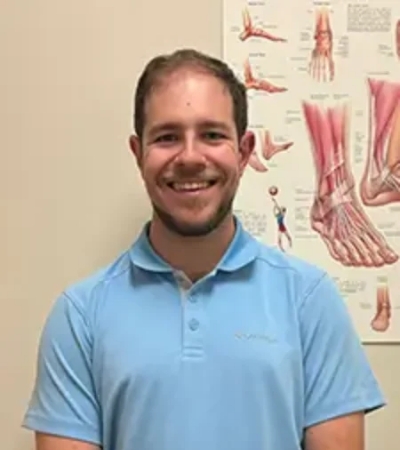
Meet Gokalp Kiral
PT, DPT, COMT, GTS
Gokalp is originally from Istanbul, Turkey and came to the US at a young age, growing up in nearby Pembroke Pines. Having played sports (soccer and basketball) for most of his life, he has had his fair share of musculoskeletal injuries and is a huge proponent of the saying “you’re capable of more than you would ever think”. He developed a passion for physical therapy after breaking his femur during a basketball game and attending physical therapy for a prolonged recovery process. He received his Bachelor’s Degree in 2017 from the University of Florida (Go Gators!) and his Doctorate in Physical Therapy in 2020 from Florida International University (Paws Up!). While completing his doctorate, Gokalp took part in research that analyzed the differences in gait symmetry between amputees and non-amputees and presented this research with his colleagues at the 2020 APTA Combined Sections Meeting in Denver, CO.
Gokalp is currently a certified orthopedic manual therapist and also certified in Graston Technique and SFMA. He has an extensive background in both orthopedic and neurological settings, treating a variety of conditions such as Parkinson’s Disease, orthopedic injuries (surgical and non-surgical), Multiple Sclerosis and strokes, just to name a few. During his free time, Gokalp enjoys traveling, playing soccer and basketball, watching sports (especially the Florida Gators and Philadelphia Eagles) as well as spending quality time with family and friends. He is always on the lookout for a new pair of sneakers to add to his collection.
Aquatic Therapy for Hip & Knee Pain
Gentle Support. Powerful Progress.
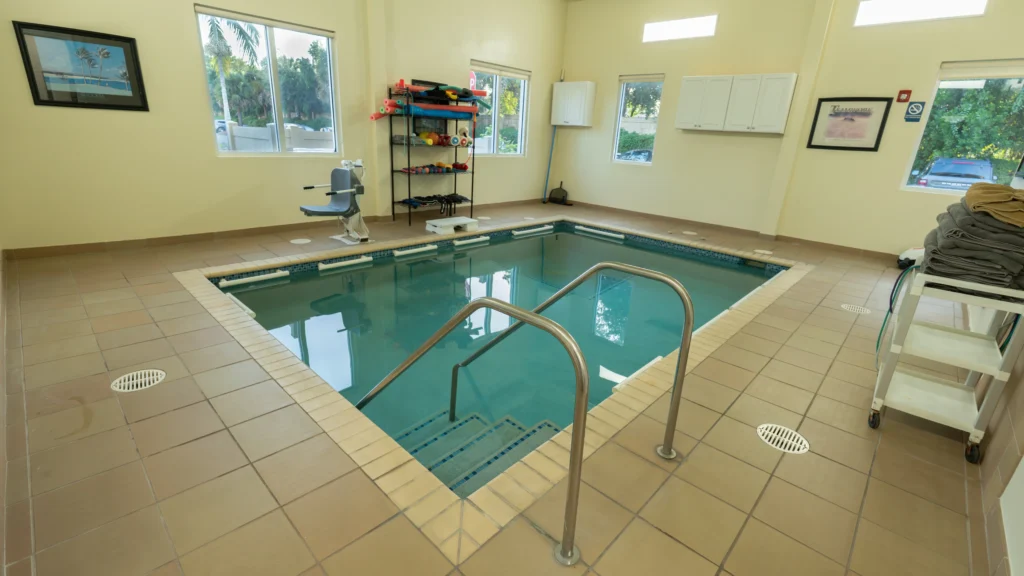
If hip or knee pain has been limiting your movement, aquatic therapy may be the missing piece in your recovery. At Bolduc Physical/Aquatic Therapy & Sports Medicine, aquatic therapy allows patients to exercise and heal in a warm, supportive water environment that reduces stress on painful joints while still building strength, mobility, and confidence.
The natural buoyancy of water decreases joint compression, making it easier and more comfortable to move, especially for individuals with arthritis, post-surgical stiffness, or chronic hip and knee pain. At the same time, water provides gentle resistance that helps strengthen muscles, improve balance, and restore proper movement patterns without aggravating symptoms.
Aquatic therapy is especially helpful for:
- Hip and knee arthritis
- Joint pain with walking or stairs
- Recovery after total hip or knee replacement
- Limited mobility due to pain, weakness, or stiffness
Each aquatic therapy session at Bolduc is guided by a licensed physical therapist and customized to your specific condition and goals. Whether you are just beginning your recovery or transitioning back to land-based therapy, aquatic therapy offers a safe, effective way to move better, feel stronger, and protect your joints as you heal.
If hip or knee pain has been holding you back, ask your therapist if aquatic therapy is right for you.
You don’t need a doctor’s permission slip to start feeling better.
Not everyone knows this, but if you’re dealing with pain or an injury—new, old, or “I’ve-had-this-forever”—you can go straight to a physical therapist. Yep, in all 50 states! That means you can book an appointment with one of our amazing therapists and get help sooner rather than later.
This magical little thing is called Direct Access. In simple terms? It means you can see a physical therapist when you want, without first visiting a physician or medical provider. Physical therapists are trained to assess and treat injuries on their own, and they do it every day.
Tee Up for a Healthy Golf Season
March marks the arrival of spring and the anticipation of a brand-new golf season. It’s not just about dusting off your clubs but also about prepping your body for the game. Here are some effective tips to ensure you swing into the new season at your best physical ability.
- Dynamic Warm-Up: Replace traditional static stretching with dynamic warm-ups like leg swings, arm circles, and torso rotations to prepare your muscles and joints for the various movements in golf.
- Balance and Coordination: Golf requires a high level of balance and coordination. Our therapists can give you drills to enhance your stability, which in turn will improve your swing.
- Soft Tissue Work: Use foam rollers or a massage stick to work on your soft tissue. This helps muscle recovery and keeps you loose and limber, reducing the risk of strains or sprains.
By incorporating these cutting-edge tips into your preparation, you’re setting yourself up for a healthier, more enjoyable golf season. May your drives be long and your putts be true!

Recipe of the Month: Lucky Green Power Bowl

Ingredients:
- 1 cup cooked quinoa (or brown rice if you prefer)
- 1 cup fresh baby spinach or kale
- 1 cup broccoli florets
- 1 cup Brussels sprouts (halved)
- 1 tbsp olive oil
- Salt + pepper
- Optional: garlic powder or smoked paprika
- ½ avocado, sliced
- ½ cup cucumber, chopped
- ¼ cup green peas or edamame
- A handful of fresh herbs (parsley, cilantro, or mint)
Dressing:
- 2 tbsp tahini
- Juice of ½ lemon
- 1 tsp Dijon mustard
- 1 small clove garlic (or ½ tsp garlic powder)
- Water to thin
- Salt to taste
Instructions:
- Roast the veggies: Toss broccoli and Brussels sprouts with olive oil, salt, and pepper. Roast at 400°F (205°C) for 20–25 minutes until crispy and golden.
- Build the base: Add quinoa to a bowl, top with fresh greens so they slightly wilt from the warmth.
- Pile on the green magic: Add roasted veggies, avocado, cucumber, peas, and herbs.
- Drizzle the luck: Whisk dressing ingredients until smooth and pour generously over everything.
- Optional flair: Sprinkle with pumpkin seeds or hemp seeds for extra crunch.