
Core Strength Made Simple: Expert Physical Therapy Tips
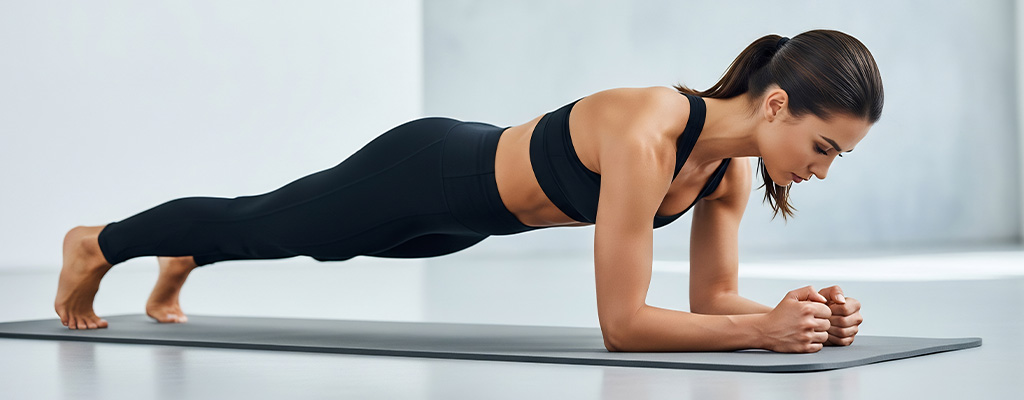
Is back pain making standing tall more difficult? Have you noticed you don’t feel as balanced as you once used to? What’s the connection? These are both signs that may indicate core muscle weakness. At Bolduc Physical/Aquatic Therapy & Sports Medicine, our physical therapists can help you figure out if your core is affecting your condition and, if so, how to get it strong again!
Your core muscles help you do a lot — from sitting to standing to getting up and down from chairs. A strong core allows smooth, coordinated actions, thus impacting almost every activity you do every day. If your core muscles are weak, they may affect your function and possibly your pain levels.
It’s important to note that core muscles are not just important for physical fitness but are also essential to the overall quality of life. Our physical therapists understand the importance of core strength and will assess you to determine if it’s affecting your daily activities. With our expert guidance, you’ll learn how to engage your muscles in how they were designed to move!
Contact us today to set up an appointment or learn more about how our team can help you strengthen your core!

Exercise of the Month
ONE LEG BALANCE
- Single-leg balance is essential for improving stability and walking (gait), as we briefly stand on one leg with every step.
- Strengthening this position can help reduce fall risk and improve confidence with movement.
- Stand with your hands on the back of a chair, countertop, or wall for support.
- Slowly lift one foot so your weight is on the opposite leg.
- Keep your posture tall and steady.
- Hold for 20–30 seconds and gradually increase time as your balance improves.
- 2 Sets, 1 Rep (each side) (Materials needed: chair)
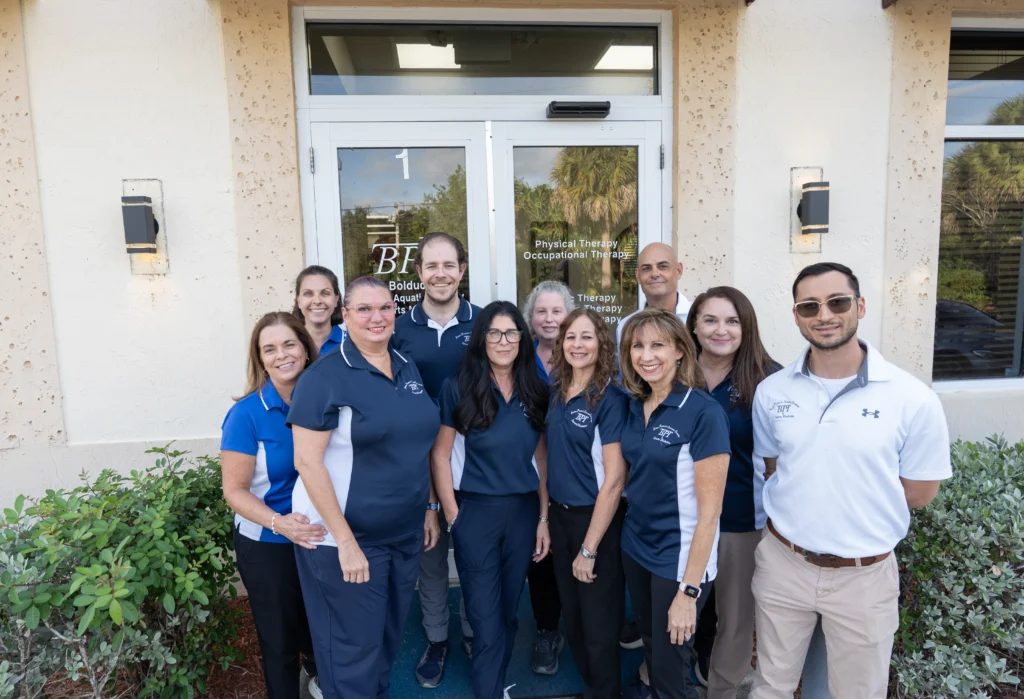
Our Patients Get Great Results
“I always feel better than when I first arrived, especially after the spinal decompression.”
“I’ve been consistently attending the Bolduc aquatic therapy program with Bryan since October of last year and I have been making significant improvement with my mobility and gait. I appreciate Bryan’s approach to physical therapy because it allows me to truly challenge myself at my own pace. I’m able to address the weaker muscles that are compensating through strengthening while also maintaining & improving my stronger muscle groups. Bryan supports and encourages my improvement and continues to add to my aquatic exercises in order to create a dynamic program that is custom suited to my needs and goals. Being in the pool is one of my favorite parts of my week. I always feel better than when I first arrived, especially after the spinal decompression. So grateful for Bryan and the Bolduc team for helping me improve my quality of life!”
– Tanya
What Is the “Core”?
When most people think of core muscles, they immediately think of the abdominals. However, the core muscles comprise the lower back, hip, pelvis, pelvic floor, and even the diaphragm muscle.
Significant weakness in the core will often lead to compensations and straining of different body areas, most commonly the back and neck muscles. As a result, this leads to undesirable consequences, such as poor posture, fatigue, or pain.
The muscles that make up your core are designed to help stabilize your body, support your posture, ensure your balance, and support movements in all directions. If any of these muscles are weak, injured, or used inappropriately, your trunk becomes unstable, making it difficult for your body to function correctly.
The core assists in almost every movement, from bending down to picking up an object to standing up straight. It also plays a significant role in breathing, lifting a heavy object, twisting your body, or even just walking. Core strength is also essential in sports performances, allowing the body to balance and control movements while running, jumping, and sustaining contact. A strong core enhances power, speed, coordination, and agility with all sports and recreational pursuits. It also can help reduce the risk of injuries and may help to prevent chronic lower back pain.
A strong core is vital to your overall health, functional movement, and athletic performance. Proper core training helps maintain spine health, ensures optimal performance in your daily life, and can help prevent various injuries.
Building Core Strength with Expert Guidance
Physical therapy is a great starting point for building your core strength. Our licensed therapists will conduct a detailed evaluation to identify the underlying muscle weaknesses and strategies to strengthen them.
Whether you feel pain in your back, neck, shoulders, or legs, we will thoroughly analyze your posture, movement patterns, and strength, pinpointing the exact cause of the pain. From there, we will create an individualized treatment plan for you based on your specific needs to strengthen your core, improve your posture, and alleviate pain.
Core stability is about both muscular strength and proper sensory input. This sensory input informs the central nervous system about your body’s movements and positions to facilitate specific actions, ensuring your body reacts appropriately. When functioning properly, our body can perform the most basic tasks and advanced athletic activities.
Our therapists will design a program to teach you how to use your core muscles properly. We will create a strength program focusing on core-specific exercises and progressing to multi-joint free-weight exercises for comprehensive core muscle training. You can anticipate continuous feedback and guidance for fine-tuning your movements to ensure optimal spinal stabilization through a strong core.

Boost Your Game with Injury Prevention Tips!
At Bolduc Physical/Aquatic Therapy & Sports Medicine, we are totally focused on helping athletes like you get back on track if you’ve had a recent injury. We check out what’s causing any aches or trouble moving so we can figure out the best way to help you.
We’ll also guide you through the steps to prevent injuries and ensure you are getting stronger and ready to return to the sport you love so much.
Here Are Our Top Tips to Help You Stay Injury-Free:
- Sleep: Getting plenty of sleep is a big deal. Studies show that good sleep can help prevent injuries.
- Strength Training: This is a great way to build strong muscles that can help keep you safe while playing.
- Nutrition: Eating balanced meals is essential for staying healthy and avoiding injuries.
- Hydration: Drinking enough water is critical for helping you recover and keeping injuries away.
- Avoiding Fatigue: Making sure not to overdo it and giving yourself breaks is vital to stay away from injuries.
We Are Here To Help
Our goal is to help you return to your training and competition, using targeted exercises that help prevent any injuries. We’re here to help you face your sport’s challenges with more strength and confidence!
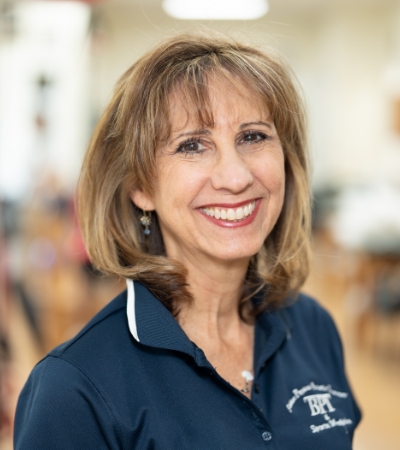
Meet Dori Rubin
PT
Dori has been with Bolduc Physical/Aquatic Therapy & Sports Medicine since December 2018. She earned a Bachelors of Science Degree in Physical Therapy at University of Florida. Practicing since 1982, she has worked in a variety of clinical settings including acute care, rehab, outpatient and home health care. She has extensive background in treating musculoskeletal and neurological disorders and has taken numerous coursework focusing in the areas of orthopedics and sports medicine.
Dori has a specific interest in the conservative management of scoliosis. In 2010, she became a certified Schroth therapist and has an advanced C2 certification from the Barcelona Scoliosis Physical Therapy School (BSPTS) in the Schroth Method for scoliosis and kyphosis as well as being SEAS-1 certified (Scientific Exercise Approach to Scoliosis).
She enjoys motivating her patients to achieve their goals and continues to find physical therapy a fulfilling, rewarding profession that provides optimum health through exercise and conservative treatment. Outside of the clinic, Dori enjoys playing tennis, cooking, gardening, and spending time with her family.
How To Have a Great Summer–PT Style!
The days are getting longer, the air is getting warmer, and school is winding down. That means one thing: summer is on its way! Here are some tips to ensure a healthy summer for you and your family:
- Drink plenty of water. While you should strive to stay hydrated all year round, it’s particularly important in warmer weather.
- Ease back into summer activities gradually. Whether you’re hitting the pool more frequently or taking more evening walks thanks to the later sunsets, avoid doing too much too soon. Start slow, don’t push too hard, and remember to warm up first.
- Don’t skip your PT sessions. We know summer’s busy. But keeping up with your physical therapy will help you stay active and pain-free throughout the season–and beyond!
Ready to make the most of the summer months? Schedule an appointment with Bolduc Physical/Aquatic Therapy & Sports Medicine today!

You don’t need a doctor’s permission slip to start feeling better.
Not everyone knows this, but if you’re dealing with pain or an injury—new, old, or “I’ve-had-this-forever”—you can go straight to a physical therapist. Yep, in all 50 states! That means you can book an appointment with one of our amazing therapists and get help sooner rather than later.
This magical little thing is called Direct Access. In simple terms? It means you can see a physical therapist when you want, without first visiting a physician or medical provider. Physical therapists are trained to assess and treat injuries on their own, and they do it every day.
Recipe of the Month: Broccoli Risotto
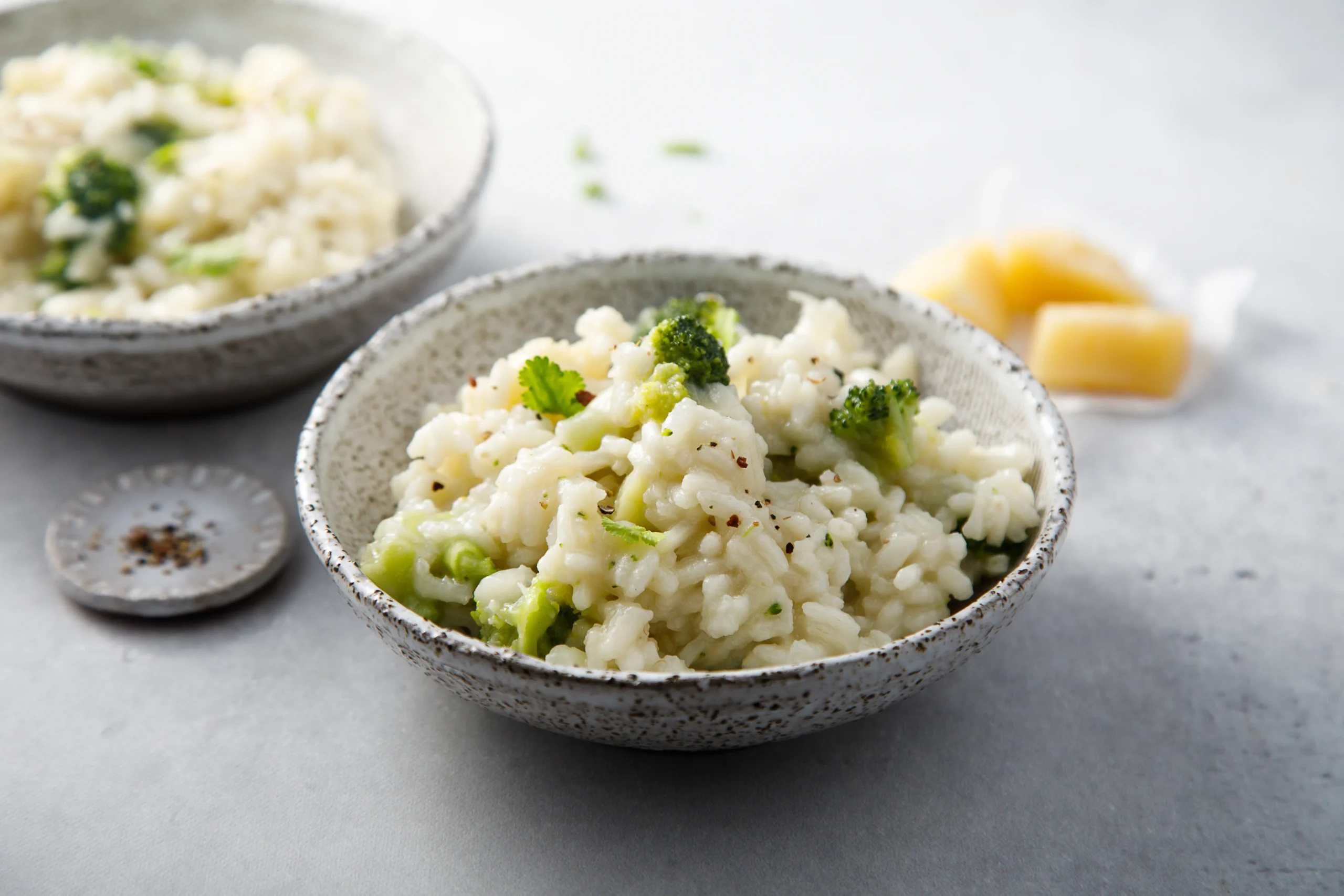
Ingredients:
- 2 tablespoons olive oil
- 3 tablespoons butter
- ½ large sweet onion, finely chopped
- 4 cloves garlic, chopped
- 1 ½ cups Arborio rice
- ½ cup dry white wine (such as Sauvignon Blanc)
- 2 tablespoons lemon juice
- 5 cups hot chicken broth
- 1 cup heavy cream
- 3 cups cooked broccoli florets
- 2 tablespoons chopped fresh chives
- 1 tablespoon grated Parmesan cheese
- 1 ½ tablespoons grated Asiago cheese
- salt and pepper to taste
Instructions:
- Gather all ingredients.
- Heat olive oil and butter in a large, heavy-bottomed saucepan over medium-high heat. Add onion and garlic; cook and stir until onion begins to turn golden brown at the edges, about 2 minutes.
- Pour in rice, and stir until rice is coated in oil and has started to toast, 3 to 4 minutes.
- Reduce heat to medium and stir in white wine and lemon juice. Cook and stir until wine has mostly evaporated, then stir in 1/3 of the chicken broth; continue stirring until incorporated.
- Repeat this process twice more, stirring constantly. Stirring in broth should take 15 to 20 minutes in all. Stir in cream and cook 5 minutes before stirring in broccoli, chives, Parmesan cheese, and Asiago cheese. Cook and stir until risotto is hot; season to taste with salt and pepper before serving.
Sources
- https://www.allrecipes.com/recipe/166138/broccoli-risotto-with-cream-and-lemon/
- https://bmcmusculoskeletdisord.biomedcentral.com/articles/10.1186/s12891-021-04858-6,
- https://www.ncbi.nlm.nih.gov/pmc/articles/PMC6407754/,
- https://journals.lww.com/nsca-jscr/fulltext/2012/02000/effect_of_core_strength_on_the_measure_of_power_in.8.aspx,
- https://www.mdpi.com/2411-5142/6/2/37,
- https://www.frontiersin.org/articles/10.3389/fphys.2022.915259/full