
The Role Physical Therapy Plays in Preventing Surgery for Sports-Related Injuries
If you’re an athlete or enjoy playing sports, injuries are, unfortunately, a common occurrence. Fortunately, our Bolduc Physical/Aquatic Therapy & Sports Medicine physical therapists can help you recover after an injury and avoid the need for surgery in many cases.
Our team can help guide you through the preventive steps you can take to minimize your risk of sports injuries. If you sustain an injury, we’ll identify all the factors related to your injury and address them one by one.
Through our specialized programs, we can help you recover and improve your physical capabilities. We’ll take a holistic approach that fortifies your overall health and improves the skills necessary to maximize your athletic performance.
If you’re an athlete looking to recover after an injury, prevent surgery, and get an edge on the field, court, or weight room, we can help. Our therapist-led programs are designed to help athletes withstand the physical demands of sports more effectively, minimizing the incidence of an injury and the need for surgery.
Exercise of the Month
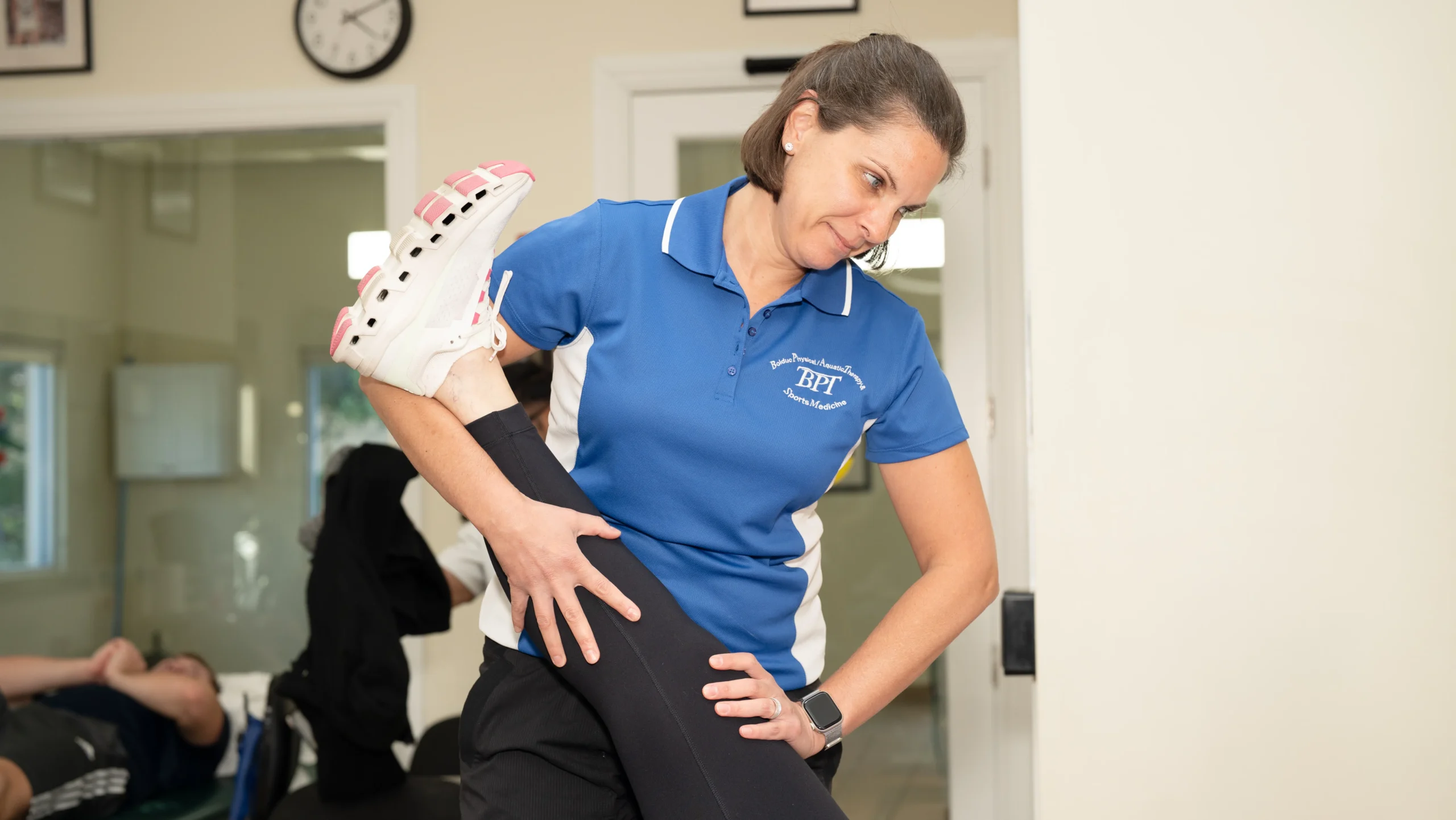
Prone Arm Reach Back
- Lie face down on an exercise table with your upper chest supported and both arms hanging straight down off the sides, holding a light weight in each hand.
- With palms facing in, slowly raise your arms backward toward your hips in a sweeping motion, keeping them close to your body.
- Squeeze your shoulder blades together at the top, then lower your arms back down with control.
- 3 Sets, 10 Reps. (Materials needed: exercise table, light weights)
Our Patients Get Great Results
“I have recommended Bolduc to many friends with very positive results.”
“I have used Bolduc PT numerous times since I moved in August 2020. Their staff of Christina and Lindsey have treated me for injuries to my legs, arms, and hip. Making appointments for future treatments is a very easy process with Nicole at the front desk. I have recommended Bolduc to many friends with very positive results. ”
– Stu
Tailored Plans After an Injury
If you are trying to avoid surgery and wonder if physical therapy can prevent or delay it, the simple answer is yes!
Most orthopedic-type surgeries are not urgent or emergencies. Although traumatic situations can be emergencies, most times, there is a significant period of time between diagnosis and surgery.
Far too often, people mistake their symptoms for signs to rest or avoid the activities causing them pain. Even more frequent is the number of people who ignore aches and pains, thinking they will go away on their own, only to discover those early warning signs were the body’s signals to get help. Unfortunately, rest, avoidance, and trying to ignore or push through pain only lead to a bigger, often more complex, problem.
At Bolduc Physical/Aquatic Therapy & Sports Medicine, our physical therapists will weed through your symptoms and identify the root cause of your particular situation. We will give you the tools to prevent, delay, or prepare yourself for surgery.
We’ll guide you through a gradual progression to make sure you are ready to return without any limitations or impairments standing in your way. This cautious approach ensures a safer and more effective recovery process.
Rather than a “one-size-fits-all approach,” we believe every patient is unique and deserves a program tailored to their specific situation and goals. You are not merely treated but are guided towards a pathway of enhanced performance and overall well-being!
What to Expect at Your Physical Therapy Sessions
Rehabilitation should start immediately following most injuries to ensure the fastest recovery possible. One of our physical therapists with sports rehab experience will thoroughly evaluate the athlete to determine the injury’s severity and identify any other weaknesses or limitations that may affect the athlete’s recovery, stability, or strength.
Next, your therapist will create a targeted, individualized plan of care for you to promote accelerated recovery and future injury prevention. Our goal is to minimize the risk of needing surgery, so you get back to training and competing in the sport you love.
For example, your physical therapist will start with pain management and restoring mobility to the injured area. Next, we will focus on progressing your strength and dynamic stability exercises to restore function and prevent injuries. We will also incorporate balance and coordination exercises to stimulate the nervous system and help ensure you can run, jump, and cut to change direction, land in the correct position, and avoid future injuries. Physical therapy at Bolduc Physical/Aquatic Therapy & Sports Medicine will provide the foundation for successful training while reducing future injuries and avoiding surgery!
Considering Physical Therapy? Get Started Today!
Navigating the road to recovery and returning to the sports activities you love can be tricky. Fortunately, our seasoned physical therapists are here to guide you every step of the way. With years of experience working with athletes, we’ve been instrumental in rehabilitating individuals post-injury, helping them avoid surgery and ensuring a smooth transition back to the sports they love.
Whether you’re on the brink of surgery or hoping to prevent it, our therapists will create a program specifically tailored to your unique needs. Reach out to our clinic to learn more!
Stay in the Game, Skip the Pain: The Role of Sports Physical Therapy
Athletes often push their bodies to the limit to achieve their goals. This intense effort, or an unfortunate accident, can sometimes lead to injuries. Fortunately, with the right information and approach, many of these injuries can be avoided or effectively managed through physical therapy.
Here, we explore the most common sports injuries and how physical therapy can be a pivotal player in preventing surgeries.
Common Sports Injuries
First, let’s discuss some of the most frequently encountered sports injuries. One of the main reasons for these injuries includes deceleration incidents, which put immense strain on muscles and ligaments, and sudden changes in direction, which can cause lower body sprains and strains.
In addition, inadequate or improper training methods, including insufficient warm-up and improper technique, elevate the risk of injuries. Overuse injuries (i.e., repetitive stress) frequently occur without proper rest, leading to complications such as tendonitis.
The top sports injuries are:
- Ankle Sprains: Ankle sprains are common in sports involving running and jumping when the ligaments surrounding the ankle are stretched or torn.
- Knee Injuries: Athletes are prone to knee injuries, which can involve damage to ligaments, cartilage, or other structures within the knee joint.
- Shoulder Injuries: These encompass a range of issues, including rotator cuff tears and dislocations, often seen in sports that involve overhead motions like swimming or baseball.
- Fractures: These involve breaks in the bones from a single, forceful incident or stress fractures (caused by repetitive stress).
Our physical therapists can guide you through preventive strategies to reduce your risk of sports injuries and promote a safer athletic environment.
Seek the Right Guidance
Physical therapy plays a significant role in helping athletes avoid surgeries and return to their optimal performance levels. Here’s how:
- Personalized Plans: Our therapists design individualized plans that focus on strengthening the muscles and improving mobility to help prevent future injuries.
- Education and Training: Our therapists educate athletes on the proper techniques, including tips on body mechanics, posture, movement patterns, and preventive measures to avoid injuries.
- Functional Restoration: Physical therapy focuses on restoring the function of injured areas, enabling athletes to return to their sport with a minimized risk of re-injury or need for surgery.
We Are Here To Help
By working closely with our skilled physical therapists, athletes can return to their favorite sports and sidestep any potential surgeries! Call Bolduc Physical/Aquatic Therapy & Sports Medicine to schedule a consultation with one of our sports therapists!
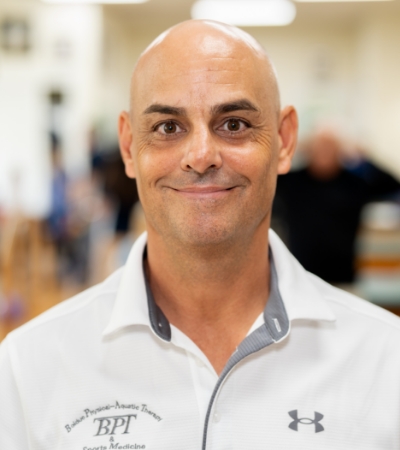
Meet Christian Bolduc
PT, DPT, MS, MTC
Christian Bolduc, PT, MS, MTC, is the founder of Bolduc Physical / Aquatic Therapy & Sports Medicine and a licensed physical therapist with a certification in manual therapy (MTC). Christian graduated in 1994 from Northeastern University in Boston, MA with a Bachelor of Science in Physical Therapy. He earned his Master of Health Science degree from the University of St. Augustine in St. Augustine, Florida in 2001. He earned his Doctorate of Physical Therapy from University of South Dakota, SD in May of 2018.
In clinical practice since 1994, Chris has effectively helped thousands of patients return to the active lifestyles they enjoy. Treatments include a variety of manual therapy techniques, including myofascial release, trigger point, IASTM- Instrument Assisted Soft Tissue Mobilization, muscle energy techniques, joint mobilization, therapeutic exercise and activities, and modalities. In addition, Chris created Bolduc’s “Back to Golf” program that offers personalized treatment for patients who want to return to playing golf safely and comfortably, or enhance their ability to play golf.
Chris is passionate about sports, an avid golfer, an adult ice hockey player, a pickleball player, and a die-hard New England Patriots fan since childhood. Chris has also participated in marathon running and in CrossFit. Chris took his love for sports, health, and fitness and turned it into a meaningful calling he is truly passionate about. He takes a deep interest in his patients’ recovery and provides long-lasting results that make a real difference to those he treats.
Garden and Yard Work: Approaches to Injury Prevention
Spring has sprung, and many are eager to get their hands dirty in the garden or yard. However, these activities can put an unexpected strain on your body if you’re not prepared. Try these tips to keep you gardening longer while minimizing your risk for injury.
- Movement Prep: Gone are the days of old-school static stretching. Instead, use a dynamic warm-up to prep your muscles and joints for gardening.
- Spinal Health: Incorporate ‘active breaks’ every 20 minutes to reset your spine. Or alternate between working up high (like trimming bushes) and down low (like planting flowers). This gives specific muscle groups a break and reduces the risk of overuse injuries.
- Neuromuscular Control: Practice exercises that engage both your brain and muscles, like balance exercises to avoid trips and falls over uneven terrain or gardening tools, making it easier to navigate through your garden.
Utilizing these cutting-edge approaches can ensure a physically fulfilling and injury-free gardening season, allowing you to fully enjoy the fruits (and flowers) of your labor.
Happy Gardening!

You don’t need a doctor’s permission slip to start feeling better.
Not everyone knows this, but if you’re dealing with pain or an injury—new, old, or “I’ve-had-this-forever”—you can go straight to a physical therapist. Yep, in all 50 states! That means you can book an appointment with one of our amazing therapists and get help sooner rather than later.
This magical little thing is called Direct Access. In simple terms? It means you can see a physical therapist when you want, without first visiting a physician or medical provider. Physical therapists are trained to assess and treat injuries on their own, and they do it every day.
The Secret to a Better Golf Game: Golf Swing Analysis
If you enjoy spending time on the golf course but notice pain, stiffness, or inconsistent swings, a professional golf swing analysis can help. At Bolduc Physical/Aquatic Therapy and Sports Medicine, our therapists evaluate your swing mechanics, posture, flexibility, and movement patterns to identify limitations that may be affecting your performance or contributing to injury.
By analyzing how your body moves throughout the swing, we can pinpoint issues such as limited hip rotation, poor core stability, or shoulder restrictions. Your therapist will then design a personalized program that may include mobility work, strength training, and corrective exercises to improve efficiency and reduce strain on the body.
Golf swing analysis is helpful for golfers of all skill levels. Whether you want to prevent injuries, improve consistency, or play pain-free, this service helps you move better so you can enjoy the game longer.

Recipe of the Month: Healthy Blueberry Muffins

Ingredients:
- 1 ¾ cups plus 1 tsp white whole wheat flour or regular whole wheat flour
- 1 tsp baking powder
- ½ tsp baking soda
- ½ tsp fine salt
- ¼ tsp ground cinnamon
- 1/3 cup melted coconut oil
- ½ cup honey or maple syrup
- 2 eggs, preferably at room temperature
- 1 cup plain Greek yogurt
- 2 tsps vanilla extract
- 6 oz blueberries
Instructions:
- Preheat oven to 400°F. Grease all 12 muffin cups with butter, coconut oil, or cooking spray, or line with muffin liners. In a large bowl, whisk together 1¾ cups flour, baking powder, baking soda, salt, and cinnamon.
- In a medium bowl, whisk oil and honey or maple syrup. Add eggs and beat well, then mix in yogurt and vanilla. Pour wet ingredients into dry ingredients and stir with a large spoon just until combined (a few lumps are fine). In a small bowl, toss blueberries with the remaining 1 tsp flour to prevent sinking, then gently fold into the batter. Batter will be thick. Divide batter evenly among the 12 muffin cups and sprinkle tops with turbinado sugar.
- Bake 16–19 minutes, until tops are golden and a toothpick inserted comes out clean. Cool the pan on a rack; run a butter knife around edges if needed to release. Store muffins covered at room temperature for 2 days, refrigerate up to 5 days, or freeze up to 3 months.
Sources
- https://cookieandkate.com/healthy-blueberry-muffins/
- https://www.ncbi.nlm.nih.gov/pmc/articles/PMC5223716/,
- https://www.ncbi.nlm.nih.gov/pmc/articles/PMC5573846/,
- https://pubmed.ncbi.nlm.nih.gov/27385156/,
- https://www.jwatch.org/na47635/2018/10/18/effectiveness-physical-therapy-vs-arthroscopy-meniscal,
- https://bjsm.bmj.com/content/56/15/870,
- https://jamanetwork.com/journals/jama/fullarticle/2705186